How Denmark paved the way for the creation of the ICF
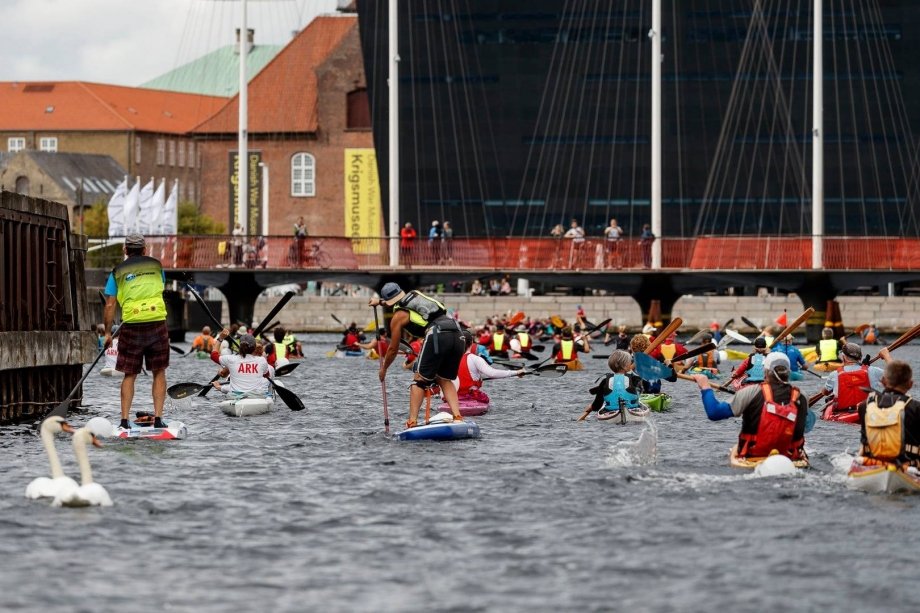
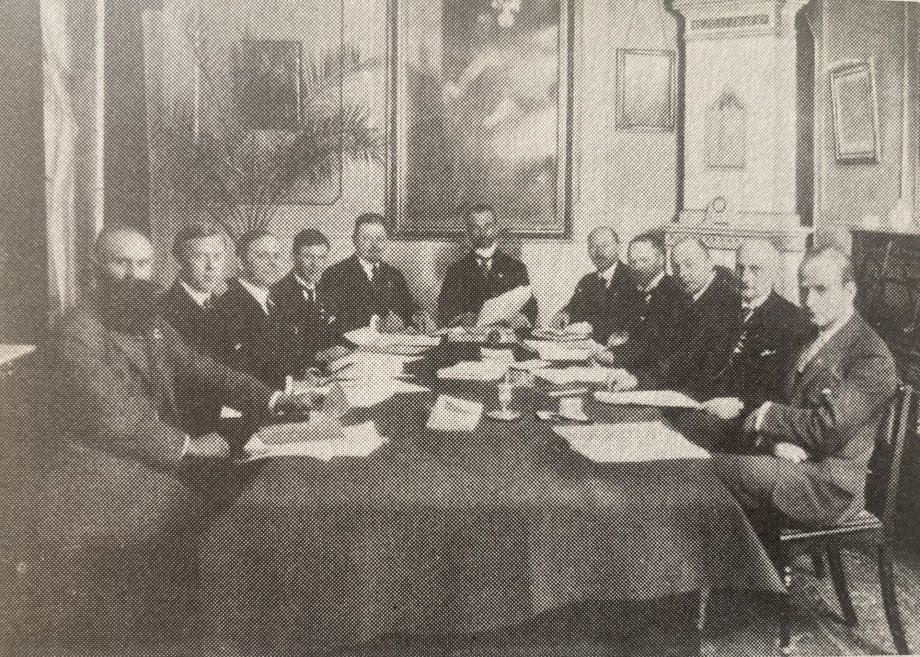
Overlooking the harbor, Langelinie Pavillonen Hotel is located near the famous Little Mermaid Statue in Copenhagen. This building is a popular venue for various events throughout the year, including weddings and family gatherings, but many visitors are unaware that it also holds a special place in the history of the International Canoe Federation. On this day 100 years ago, the Danish Canoe Federation met representatives of several national associations at Langelinie Pavillonen. The meeting was held with the aim of creating an international rowing association after the working committee, which included members of the national federations of Denmark, Germany, Austria and Sweden, developed a number of statutes. Paul Wolf and Soren Arfelt were among those who represented the Danish Canoe Federation on January 19, 1924, when they joined the delegates of Germany, Austria and Sweden at the Langelinie Pavillonen table. It was there that the International Representative Canoe Federation was founded, which 22 years later was renamed the International Canoe Federation. It is said that a plaque marking the creation of the governing body for paddle sports once stood in place, but disappeared after Langelinie Pavillonen was severely damaged during World War II. Christian Jacobsen, executive director and Secretary General of the Danish Canoe Federation, said he was not surprised that Denmark had been chosen as the venue for the ICF's founding meeting. "At that time, large ferries could depart from this harbor all over the world, so this is an important historical area," Mr. Jacobsen said. "Copenhagen was much smaller, and that part of the city next to the Little Mermaid was probably considered a fashionable meeting place, and there was a connection with the water." At the meeting, the purpose of the IRC was defined as follows: To create a link between the canoeing associations of different countries. If possible, organize international rowing and sailing competitions once a year and alternately in different countries. To promote and encourage foreign tourist trips by creating appropriate river guides, as well as by providing information about accommodation and attractions. Embed internationally recognized river symbols on maps to facilitate travel. To exchange information by making various national publications on canoeing mutually accessible: through the preparation of lectures and speeches, films and photographs, as well as through correspondence. The rules of the racing kayak, sailing canoe and Canadian canoe classes, as well as the rules of international racing, were also agreed upon. Wolf headed the ICF from 1925 to 1928, taking over the reins from German Franz Reinicke, who was the first president of the organization. Harald Jespersen became the second Dane to head the ICF when he held this position from 1950 to 1954. In addition to being one of the four founding members, Denmark continues to play an important role in the development of the ICF, having organized several canoe sprint and Marathon World Championships. "There is a sense of pride, a sense of connection and a sense of responsibility, which is one of the reasons why we are still actively making decisions," Mr. Jacobsen said. "We are responsible for our heritage and are involved in the development of canoeing." In 2021, the Danish Canoe Federation celebrated its 100th anniversary by hosting the ICF Canoe Sprint and Paracanoe World Championships. As part of the celebration, an anniversary parade was organized, during which all types of canoes, kayaks and SUP-surfing passed through the canals of Copenhagen. Rowers also continue to use the waters of Langelini Pavillonen – a century after the birth of ICF.