Olympic sprint kayaking and canoeing is preparing for the 21st anniversary in Paris
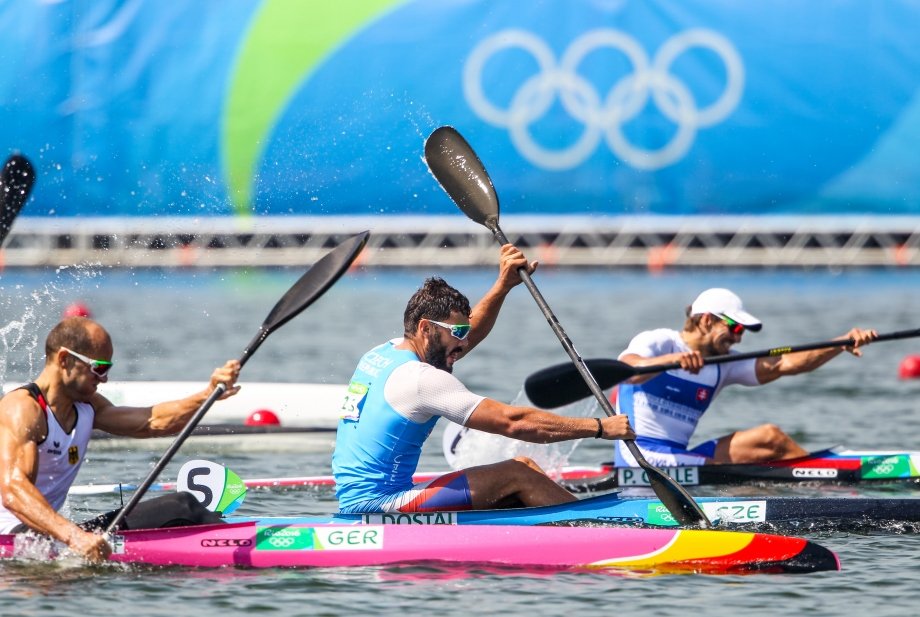
It is no coincidence that the country that was the first to host kayaking and canoeing at the Olympic Games was also the most successful country in 20 competitions in this sport. Since Munich first included kayaking and canoeing in the Olympic program in 1936, Germany has dominated the medal table. East and West Germany have won 32 medals, and modern Germany has won 65 podiums, including 31 gold. The most dominant athlete in Olympic history is Germany's Birgit Fischer-Schmidt, an eight-time gold medalist who has won a total of 12 medals at six Olympic Games. She could have won even more if East Germany had not boycotted the 1984 Games in Los Angeles. The top three medalists of all time are women. Danuta Kozak from Hungary has eight medals, including six gold, and Lisa Carrington from New Zealand has five gold, one bronze and six medals overall. Both Kozak and Carrington can increase their medals in Paris. Ivan Patsaichin from Romania is the most successful male athlete, he has four gold and three silver. A total of 37 countries have won Olympic medals. Of the races that were included in the first Olympic program in 1936, only men's K1 and C1 1000 meters remained. The program has been constantly evolving for over 80 years, most recently in Tokyo, when women's C1 and C2 were added to the program, and men's K4 was reduced to 500 meters for the first time. 10 gold medals will be awarded in Paris. The men's and women's K1 200 will not compete, and the men's C2 and K2 will be reduced from 1000 meters to 500 meters.